Cholesterol – is it really the enemy?
Posted on 22 November 2026 by Stephanie J Moore
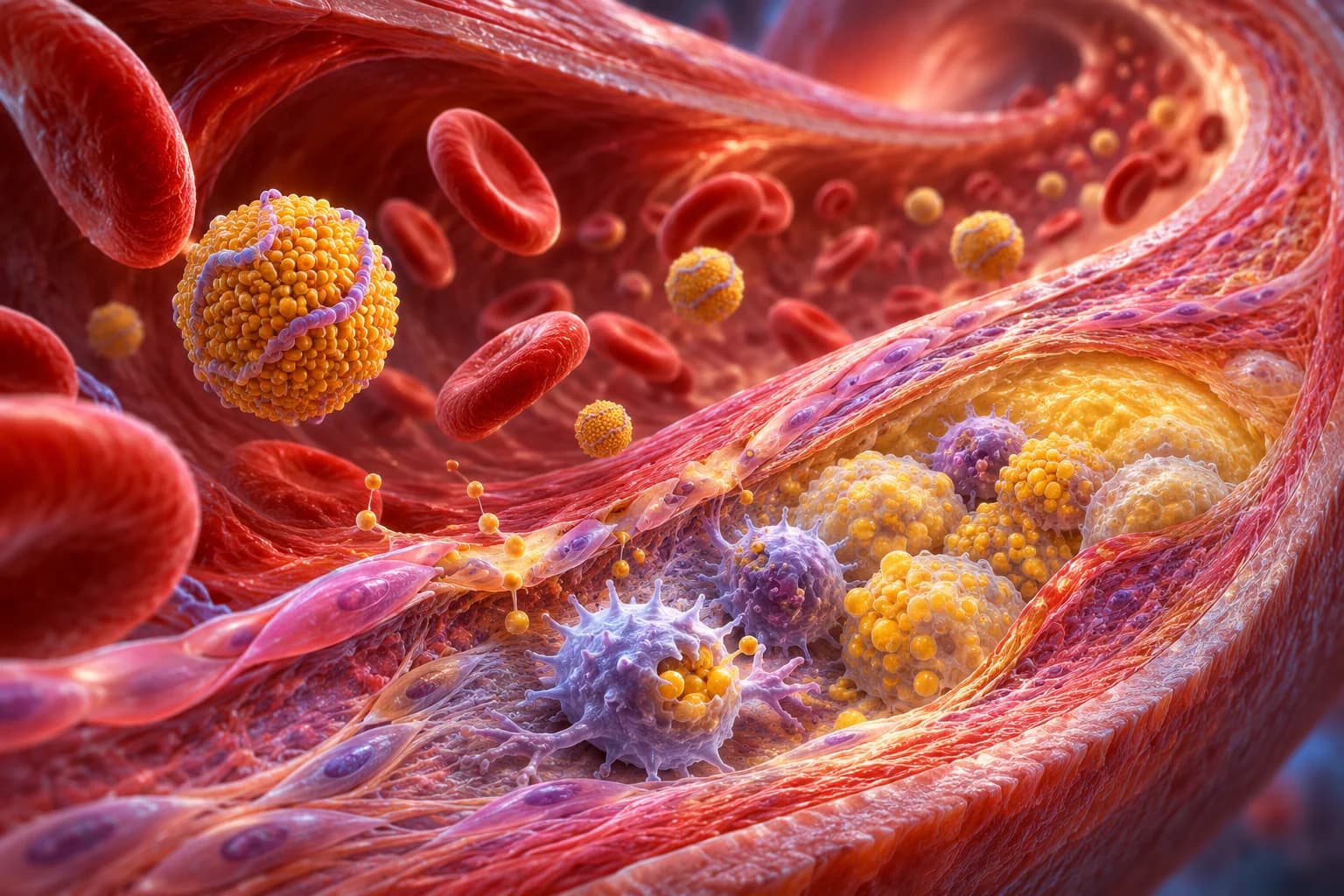
I was minded to write about cholesterol because it comes up so frequently in my consultations, and I am often struck by how fearful people have become of this quite extraordinary, life-giving substance. Cholesterol levels and what is considered healthy or unhealthy is an important yet complex subject and nuance really matters, making the sweeping statements of good and bad, really unhelpful when it comes to an individual’s cardiovascular risk factors and long-term health. Hence, I am writing this to try and make it easier for people to have conversations with their GPS cardiologists, friends and family that are more helpful than just ‘lower is better’. This article explores cholesterol in terms of why we need it, some ideas on how to best manage it and what our blood tests really tell us.
One of the things I am regularly struck by is the look of true surprise, sometimes utter shock, on the faces of clients when I begin to explain that cholesterol is not inherently bad for us and especially when I get the part that our liver and brain manufacturer the vast majority of the total cholesterol in the body. In fact, somewhere in the region of 70–80% of our daily cholesterol supply is made by our own bodies, with the liver playing a central role in its production and regulation. So why would the body go to such lengths to manufacture something, and indeed recycle it, if it were inherently harmful to us?
Yes, not only do we manufacture cholesterol, but we also have a sophisticated transport and recycling system to make sure it is delivered to where it is needed and that any surplus can be collected and transported back to the liver to be reused or eliminated. Understanding this greatly helps to appreciate that cholesterol is clearly something our body considers really precious.
Cholesterol has an essential role in keeping us alive and well – this is undisputed. It is a life-giving substance without which we simply could not survive. What matters is how our body manages it i.e. where is it and what’s it getting up to in your body, along with an individual’s risk factors – these questions are much more up for debate amongst lipid experts and cardiologists.
Why do we need cholesterol?
Cholesterol performs an extraordinary number of essential functions within the body, many of which you might not associate with this much-maligned substance.
Brain health: Roughly a quarter of all the cholesterol in our body resides in our brain. Cholesterol is essential for communication between brain cells, the formation of new connections and the protective insulation around our nerve fibres. Interestingly, the brain makes almost all of its own cholesterol. This is likely because it is too risky to rely on a supply from anywhere else.
Hormone production: Cholesterol is the raw material from which we manufacture all our steroid hormones, including oestrogen, progesterone, testosterone and cortisol.
Vitamin D production: When sunlight reaches our skin, UVB rays act on a cholesterol precursor, enabling us to manufacture vitamin D3.
Healthy cell membranes: Cholesterol is an integral part of our cell membranes, providing stability whilst maintaining the flexibility needed for cells to function and communicate effectively.
Digestion and nutrient absorption: Our liver uses cholesterol to manufacture bile acids, which are essential for the digestion of fats and the absorption of the fat-soluble vitamins A, D, E and K.
Nervous system health: Cholesterol is a major component of myelin, the protective coating around our nerves that allows electrical messages to travel efficiently throughout the body.
So rather than thinking of cholesterol as a substance we simply need to get rid of, it is more helpful to think about how well our body is producing, transporting, utilising and clearing it.
One of the particularly important roles of cholesterol is the manufacture of what are collectively known as steroid hormones. These are powerful chemical messengers that regulate an enormous number of bodily functions. They include:
Oestrogen: Important for bone strength, brain function, cardiovascular health and reproductive health.
Progesterone: Important for reproductive health, with effects on our nervous system and sleep.
Testosterone: Important for maintaining muscle mass, bone density, libido and aspects of energy and wellbeing in both men and women.
Cortisol: Essential for our stress response, blood sugar regulation and immune function.
Aldosterone: Helps regulate our fluid balance, sodium and potassium levels and blood pressure.
Good cholesterol and bad cholesterol?
You are probably familiar with the terms HDL and LDL, commonly referred to as 'good' and 'bad' cholesterol. However, the cholesterol itself is exactly the same substance. It is the way in which it is transported around the body that differs.
Cholesterol is not water-soluble, so it cannot travel freely in our bloodstream. Instead, it is carried in tiny packages of fat and protein known as lipoproteins. Think of these as little delivery and collection vehicles travelling around the body. LDL (low-density lipoprotein) helps deliver cholesterol to cells that need it. HDL (high-density lipoprotein) helps collect surplus cholesterol from tissues and transport it back to the liver, where it can be repurposed or eliminated through the bile. This is known as reverse cholesterol transport – the body's rather brilliant cholesterol recycling system.
Problems arise when too many LDL and other potentially harmful cholesterol-carrying particles circulate in the bloodstream over time. These particles can become trapped within artery walls, triggering an inflammatory immune response and contributing to the formation of fatty plaques, a process known as atherosclerosis. High blood pressure, smoking, poorly regulated blood sugar and chronic inflammation can further accelerate this process.
It is worth remembering that having high levels of HDL does not necessarily protect us from the risks associated with high levels of LDL.
Looking beyond total cholesterol
Over the last decade or so, our understanding of the importance of looking beyond total cholesterol has grown considerably, and more sophisticated cholesterol testing is becoming increasingly accessible. Whilst total cholesterol provides us with some general information, it doesn't tell us anything about how well an individual is managing what their cholesterol is getting up to. Two people with identical total cholesterol readings can have very different cardiovascular risk profiles.
When assessing blood test results, some of the markers I am particularly interested in looking beyond Total Cholesterol:
LDL cholesterol: The amount of cholesterol being carried within LDL particles.
HDL cholesterol: The amount of cholesterol being carried within HDL particles, although this doesn't necessarily tell us how efficiently they are functioning.
Triglycerides: Another type of blood fat that can provide valuable insights into our metabolic health, particularly when elevated.
Non-HDL cholesterol: The cholesterol carried by all the potentially plaque-forming lipoproteins combined.
Apolipoprotein B (ApoB): A particularly useful marker that reflects how many potentially plaque-forming lipoprotein particles are circulating in our blood.
Apolipoprotein A1 (ApoA1): The principal protein found in HDL particles.
I also like to look at the total cholesterol-to-HDL ratio and the triglyceride-to-HDL ratio, alongside blood sugar regulation, insulin sensitivity, blood pressure and markers of inflammation. These help build a more detailed picture of someone's metabolic and cardiovascular health, although favourable ratios do not cancel out the risks of an elevated LDL or ApoB.
Cholesterol Levels in Menopausal Women
All of these hormones are ultimately derived from cholesterol. This is particularly relevant for women approaching or going through the menopause. As ovarian function declines, the ovaries use less cholesterol to manufacture our sex hormones. Importantly, declining oestrogen levels also alter the way our liver processes and removes cholesterol from the bloodstream. The liver becomes less efficient at clearing circulating LDL particles. Alongside changes in body composition and insulin sensitivity, this helps explain why many women find their total cholesterol, LDL cholesterol and ApoB levels increase during and after menopause, sometimes quite considerably.
I see this frequently in my clinical practice, with women who are understandably perplexed by their rising cholesterol despite eating well, exercising regularly and maintaining a healthy weight. It is a good example of why elevated cholesterol is not always simply a dietary issue and why we need to consider what else is going on within the body.
These hormonal changes help explain the rise in cholesterol, but they do not necessarily make elevated levels harmless.
Have you heard of Lipoprotein(a)?
A big area of conversation in this field is Lipoprotein, written as Lp(a) and pronounced 'L-P-little-a'. It is not routinely included in a standard cholesterol test and despite the recent hoo-ha about its importance, I am now hearing a counter argument that it is not quite as influential as some people are stating out there in the health world – so I’ll just tell you what I understand about Lp(a) at this stage.
Lp(a) is a particular type of LDL-like particle with an additional protein attached to it, which makes it especially problematic when present in high concentrations. Elevated Lp(a) is largely believed to increase the risk of cardiovascular disease and calcification of the aortic heart valve.
What is particularly interesting about Lp(a) is that the level we have is largely determined by our genetics and is relatively unaffected by diet and lifestyle. You can be incredibly fit, eat a fabulous diet, have healthy blood pressure and blood sugar levels and still have elevated Lp(a), in which case, you have a greater chance of your LDL becoming problematic, even if your LDL levels are not especially high. This is where knowing your numbers can be particularly helpful. Whilst we may not be able to reduce Lp(a) significantly through lifestyle alone, there is a great deal we can do to reduce our other cardiovascular risk factors. International cardiovascular guidelines now recommend that we have our Lp(a) measured at least once in our adult lifetime.
Is lower cholesterol always better?
There is a widely held view within mainstream cardiology that when it comes to LDL cholesterol, the lower the better. There is substantial research supporting this approach, particularly in people who have established cardiovascular disease, have already suffered a heart attack or stroke, or are considered to be at high risk.
However, there is ongoing debate about how aggressively we should be lowering LDL cholesterol in otherwise healthy individuals who have no known cardiovascular disease and whose other risk factors are relatively low. Given the many essential functions of cholesterol within the body, it is understandable that people might feel uncomfortable with the idea of driving their cholesterol levels very low. What I would like to see is a more individualised approach, looking at the whole person rather than focusing exclusively on a cholesterol number.
What is your family history? What is your blood pressure like? How well regulated is your blood sugar? What are your ApoB and Lp(a) levels? Are there signs of existing cardiovascular disease? What is your actual risk, and by how much is medication likely to reduce it?
If you feel under pressure to start taking a cholesterol-lowering medication, without feeling that you fully understand the reasons for doing so, you are perfectly entitled to ask more questions and seek a second medical opinion. You have a right to understand both the potential benefits and the potential drawbacks of any medication you are being asked to take. This is the basis of informed consent.
Statins and the importance of Coenzyme Q10
Statins work primarily by inhibiting an enzyme involved in the manufacture of cholesterol in the liver. This also encourages the liver to remove more LDL particles from the bloodstream. For many people, particularly those at high cardiovascular risk, statins can be extremely valuable, potentially life-saving medications. However, there is another aspect of their mechanism of action that I think more people should be aware of.
The biochemical pathway through which we manufacture cholesterol is also involved in the manufacture of an incredibly important compound known as Coenzyme Q10, or CoQ10. By inhibiting this pathway, statins can also reduce our CoQ10 production and circulating CoQ10 levels. Why does this matter? CoQ10 plays a fundamental role within our mitochondria – the tiny energy-generating structures within our cells. It helps facilitate the production of ATP, the form of energy our cells need to function. It also acts as an antioxidant, helping to protect our cells from oxidative damage.
CoQ10 is particularly important for tissues with high energy demands, including:
Our heart muscle, which is working tirelessly, day and night.
Our skeletal muscles.
Our brain and nervous system.
Our kidneys and liver.
There is a somewhat ironic aspect to a medication designed to protect our cardiovascular health also having the potential to reduce levels of a compound that plays such an important role in cellular and heart muscle energy production. This does not, however, negate the well-established cardiovascular benefits of statins for those who have established risk factors.
Reduced CoQ10 availability within tissues is one of the proposed mechanisms behind some statin-associated muscle symptoms and brain fog, although this relationship is not yet fully understood. If you are taking a statin, particularly if you are experiencing muscle discomfort or fatigue, I think it is worth having a conversation with your healthcare practitioner about the suitability of a good-quality CoQ10 supplement.
How can we support healthy cholesterol metabolism?
There is so much we can do through our everyday food and lifestyle choices to help support healthy cholesterol regulation and protect the health of our blood vessels.
Eat plenty of soluble fibre: certain types of soluble fibre help reduce the amount of bile acids that are reabsorbed from the gut. The liver then needs to draw more cholesterol from the bloodstream to manufacture new bile acids - another rather clever system!
Particularly beneficial foods include:
Whole soaked oats and barley, rich in beta-glucans
Ground flaxseeds and soaked chia seeds
Beans, lentils and chickpeas
Apples, pears and berries
Aubergines and okra
Psyllium husks
Nuts and seeds
A wide variety of vegetables
Aim for around 30 grams of fibre a day from as diverse a range of plant foods as possible, increasing gradually if your gut is sensitive.
Our gut microbes are also actively involved in bile acid and cholesterol metabolism – yet another reason to look after them. Be selective about the fats you eat. We absolutely need fats in our diet, but the types and quantities we eat matter.
Include plenty of naturally occurring unsaturated fats from foods such as:
Extra virgin olive oil
Avocados
Walnuts, almonds and other nuts
Flaxseeds, chia seeds and other seeds
Oily fish such as sardines, mackerel, salmon and anchovies
If you have elevated LDL cholesterol or ApoB, consider reducing your intake of butter, cream, coconut oil and fatty meats, replacing some of these with foods rich in unsaturated fats. As much as I happily recommend many foods containing saturated fat, full fat dairy and fatty reds meats are associated with an increase in LDL in some people – again, it’s individual. For most people, the saturated fat content of their diet has a greater influence on blood LDL cholesterol than the amount of cholesterol they actually eat – they are not the same thing. People worry about eggs and prawns because they contain cholesterol, but eating cholesterol in no longer considered a major cause of elevated blood cholesterol levels, saturated fat is - however, individual responses do vary.
Omega-3 fats from oily fish are particularly helpful for managing triglycerides and eating plenty of colourful, polyphenol-rich foods is always a good idea. Polyphenols are naturally occurring protective compounds found in plant foods that can support the health of our blood vessels, help regulate inflammatory processes and they really nourish our gut microbes.
Some of my favourite sources include:
Dark-coloured berries
Extra virgin olive oil
Dark leafy greens
Red and purple vegetables
Pomegranates
Green tea esp. Matcha
Cacao and high-cocoa dark chocolate
Herbs and spices, particularly turmeric, rosemary and oregano
Think diversity and colour.
Keep your blood sugar well regulated: we tend to associate cardiovascular disease with eating too much fat, but poorly regulated blood sugar and insulin resistance are also major contributors. Insulin resistance can lead to increased triglyceride production in the liver, alterations in the types of lipoproteins we produce and an increased number of potentially harmful circulating particles. Reducing our intake of sugary drinks, refined carbohydrates and highly processed foods, whilst prioritising fibre-rich whole foods and adequate protein, can be enormously helpful.
Maintaining good muscle mass is also one of the most effective ways of supporting healthy blood sugar regulation: move your body regularly Regular exercise helps improve insulin sensitivity, triglyceride levels, blood pressure and the health of the delicate inner lining of our blood vessels.
Ideally, incorporate a combination of:
Brisk walking and other aerobic activities
Resistance or strength training
Short bursts of more vigorous exercise, where appropriate
Regular movement throughout the day to break up prolonged periods of sitting
We need to move our bodies far more frequently than many of us do.
Prioritise sleep and manage chronic stress: chronically elevated stress hormones and insufficient or disrupted sleep can negatively influence blood sugar regulation, blood pressure, appetite regulation and inflammatory processes. Looking after our nervous system is an important, and often overlooked, aspect of looking after our cardiovascular system. Spending time in nature, slowing our breathing, getting outside in natural daylight and creating opportunities for proper rest are all valuable.
Avoiding smoking, limiting alcohol consumption and maintaining a healthy waist circumference are also important ways of reducing cardiovascular risk.
Other factors that can influence cholesterol levels and cardiovascular risk include:
An underactive thyroid
Insulin resistance and diabetes
The hormonal changes associated with menopause
Liver and kidney health
Certain medications
Genetic predisposition
Understanding why cholesterol levels are elevated can help us make much more informed decisions about how best to manage them. Sometimes, despite excellent dietary and lifestyle habits, medication may be needed to reduce cardiovascular risk. Lifestyle and medical interventions need not be mutually exclusive. How can you know? Well, think about why your cholesterol levels are a concern – the upstream question is … am I developing plaques in arterial walls that cause cardiovascular disease? Blood tests provide us with valuable information about our potential risks, but they cannot tell us directly whether plaque has already started to accumulate within our arteries.
What is actually happening inside your arteries?
This is an area of cardiovascular health assessment that I find particularly interesting. We now have access to various types of imaging that can help us understand this.
Coronary artery calcium (CAC) scan - a relatively quick, non-invasive CT scan that measures the amount of calcified plaque within the arteries supplying the heart. The scan requires no contrast dye and involves a relatively low dose of radiation. A calcium score of zero can be very reassuring, particularly in middle-aged and older adults, although it doesn't rule out the presence of softer, non-calcified plaque or the possibility of developing plaque in the future.
Carotid artery ultrasound - an ultrasound scan of the main arteries in the neck can identify plaque, changes in the artery walls and narrowing of these blood vessels. There is no radiation involved. Whilst it doesn't directly assess the arteries of the heart, it can provide additional information about the health of our arterial system.
CT coronary angiogram (CTCA) - a more detailed scan that uses contrast dye to examine the arteries supplying the heart. It can identify both calcified and non-calcified plaque and reveal whether there is any significant narrowing of the arteries. This is a more involved investigation and is generally used when there is a specific clinical reason to look more closely.
Not everyone needs to have their arteries scanned, but if you have a strong family history of cardiovascular disease, elevated cholesterol markers or uncertainty about your level of risk, it may be worth discussing the suitability of imaging with your doctor or a preventive cardiologist.
Blood tests help us understand the likelihood of developing disease. Imaging can help us establish whether there are already visible signs of disease. Both have their place, and a clear scan does not necessarily mean we can disregard elevated risk markers.
A different way to think about cholesterol
I would love for us to move away from thinking of cholesterol simply as the enemy. It is an extraordinary, essential, life-sustaining substance that our body goes to great lengths to manufacture, transport and recycle. The fact that we need cholesterol, however, doesn't mean that more is necessarily better. Our goal should be to support healthy cholesterol regulation, minimise the accumulation of damaging particles within our arteries and create an internal environment in which our blood vessels can remain healthy, flexible and resilient for as long as possible. That requires us to look at the bigger picture – our nutrition, gut health, metabolic health, genetics, movement, sleep, hormones and overall lifestyle.
And if we do need medication, let's ensure we understand why we are taking it, what benefits we can expect, what other options are available to us and what else we can do to support our health alongside it.
Cholesterol is not the enemy.
But understanding how it behaves in our individual bodies is well worth our attention.