The 3Fs of Gut Health: Fibre, Ferments and Fasting
Posted on 5 July 2026 by Stephanie J Moore
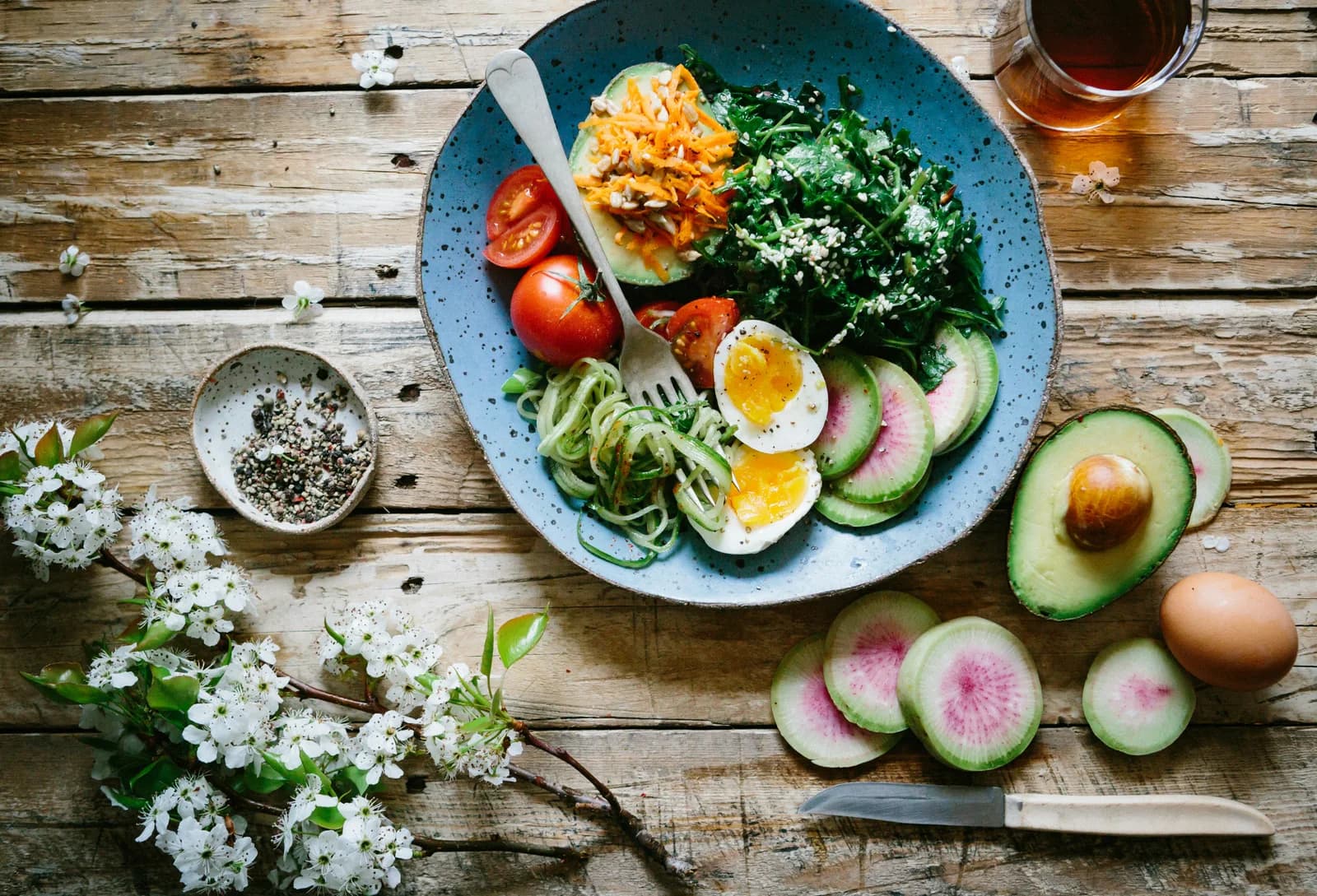
There are three words I come back to again and again when talking about gut health:
Fibre. Ferments. Fasting.
Or, as I often call them, the 3Fs.
Not because gut health is simple, it absolutely is not. The gut is doing something profoundly sophisticated every second of every day. It is digesting food, talking to the immune system, influencing inflammation, making chemical messengers, communicating with the brain and deciding what is allowed into the body and what must stay out.
But most people do not need more overwhelm. They need clear, actionable advice to begin.
The 3Fs are my simple framework for looking after the gut microbiome without turning food into a full-time job.
Think of it like this:
Fibre feeds your microbes.
Ferments add microbial diversity.
Fasting gives the digestive tract time to rest and repair.
That is the starting point.
Why gut health matters so much
Your digestive tract is not just a food-processing tube. It is one of the most important interfaces between you and the outside world.
The inside of the digestive tract is technically still connected to the outside environment. Food, bacteria, toxins, pollen, chemicals and partially digested particles all pass through this long internal tube before the body decides what is allowed across the gut wall and into the bloodstream.
That gut wall is astonishingly delicate. In places, it is only one cell thick. Sitting just behind it is a huge proportion of your immune system. So when the gut lining becomes irritated, inflamed or overly permeable, the effects may not stay local.
This is why poor gut health can show up as bloating, reflux, loose stools or constipation, but also as skin flare-ups, brain fog, joint pain, low mood, fatigue, food sensitivities and feeling generally inflamed.
That does not mean every symptom is “caused by the gut”. Bodies are more complex than that. But in clinical practice, the gut is nearly always worth considering.
The gut lining needs protecting
The gut wall is coated in a protective mucus layer. I think of this as the precious slippery lining that helps food move through smoothly while keeping the immune system calm.
When that mucus layer is healthy, it acts like a buffer.
When it becomes thin, irritated or damaged, the immune system can become much more reactive. This is when people may start saying things like, “I seem to react to everything.”
Often, they are not truly allergic to everything. Their immune system may simply be on high alert because the gut wall is vulnerable.
This is where the 3Fs become so useful.
They are not a miracle cure. They are not a replacement for medical assessment where symptoms are significant, persistent or worrying. But they are a beautifully practical way to begin creating a healthier gut environment.
F number one: Fibre
Fibre is food for your gut microbes.
Humans cannot fully digest many fibres, but our gut microbes can. When they ferment certain fibres, they produce beneficial compounds called short-chain fatty acids. One of the most important is butyrate, also known as butyric acid.
Butyrate is fascinating. It helps feed the cells lining the colon, supports gut barrier function and plays a role in immune and inflammatory regulation. Research also shows that short-chain fatty acids are involved in gut-brain communication, although scientists are still working out the full details of these mechanisms.
This is one of the reasons I get so excited about fibre. It is not just “roughage”. It is not just something that helps you go to the loo.
Fibre is part of how we feed the microbes that then make compounds we need.
The best fibre foods to start with
The goal is not to suddenly force down huge bowls of bran. In fact, for many people with IBS, SIBO, histamine issues or inflammatory bowel conditions, that would be a terrible idea.
Start gently and build.
Good fibre-rich foods include:
Beans, lentils and chickpeas if tolerated
Ground flaxseed and chia seeds
Oats, teff and other whole grains if tolerated
Berries, apples and pears
Broccoli, cauliflower, cabbage and other cruciferous vegetables
Onions, garlic and leeks if tolerated
Nuts and seeds
Cooked and cooled potatoes or rice for resistant starch
Leafy greens and colourful vegetables
Resistant starch is worth highlighting. This is found in foods such as cooked and cooled potatoes, rice, lentils and beans. It is particularly good at feeding butyrate-producing bacteria.
A simple lunch of leftover new potatoes, olive oil, herbs, salad leaves, sauerkraut and a good protein source can be wonderfully gut supportive.
Nothing fancy. Just clever.
Do not forget polyphenols
When I talk about fibre, I nearly always add polyphenols into the same conversation.
Polyphenols are plant compounds found in deeply coloured foods. They are one of the reasons berries, herbs, spices, green tea, extra virgin olive oil, cacao, pomegranate, red cabbage and purple sprouting broccoli are so valuable.
They help shape the gut microbiome, and the microbiome also helps transform polyphenols into compounds the body can use. It is a two-way conversation.
A good rule is this:
Look for colour.
Blueberries, blackberries, beetroot, red onions, dark leafy greens, herbs, spices, green tea and extra virgin olive oil all bring more than calories. They bring information.
Bitter foods are also great for polyphenols and trigger the digestive processes. Several foods contain the double benefit of bitter polyphenols such as raw cacao, Matcha green tea, peppery olive oil, bitter leaves like rocket and raddichio. There is real healing power and 'biological intelligence' in these foods.
Food is not just fuel. It is nourishment. It is instruction.
F number two: Ferments
Fermented foods are foods that have been transformed by microbes.
Examples include:
Live yoghurt
Kefir
Sauerkraut
Kimchi
Miso
Tempeh
Kombucha
Fermented vegetables
Traditional sourdough
Fermented foods can help increase microbial diversity. In one well-known Stanford study, a diet rich in fermented foods increased microbiome diversity and reduced several markers of inflammation over ten weeks.
That does not mean everyone should suddenly eat mountains of kimchi. Some people with histamine intolerance, MCAS, SIBO or very reactive guts need to go carefully with ferments. More is not always better.
But for many people, small, regular amounts can be transformative.
Kefir: one of my favourites
Kefir is one of my favourite fermented foods.
A standard yoghurt may contain a few bacterial strains. A good kefir can contain many more. It is tangy, sour, slightly fizzy and alive with microbial activity.
I make my own because it is simple, cheap and keeps going. Once you get into the rhythm, it becomes as normal as making a cup of tea.
A spoonful or two of kefir with berries, ground flax, chia, pumpkin seeds and cinnamon is a beautiful gut-friendly start to the day.
One important point: heat kills live cultures. So if you add kefir to hot porridge and cook it, you will lose the live microbial benefit. That does not mean the food becomes useless. Fermented foods may still contain microbial fragments and metabolites that appear to have biological effects. But if you want the live cultures, stir kefir in once the food has cooled a little.
F number three: Fasting
This is where people can get twitchy.
The word fasting has been hijacked by diet culture, extreme weight loss plans and one-meal-a-day bravado. That is not what I am talking about here.
For most people, I am not interested in extreme fasting.
I am interested in digestive rest.
Every time we eat, even if the food is healthy, the gut has work to do. It has to produce enzymes, move food along, manage acidity, absorb nutrients, interact with microbes and keep the immune system informed.
The gut lining also needs time for repair.
A very gentle starting point is what I call the 3–12 rule:
Leave three hours between your last calories and bed.
Leave twelve hours between your last calories at night and your first calories the next day.
That might mean finishing dinner at 7pm and eating breakfast at 7am.
For some people, that is enough.
For others, a 14-hour overnight gap or occasional 16-hour gap may be useful. But it depends on the person.
A 2024 systematic review found that intermittent fasting may influence gut microbiota richness and diversity, but the evidence is still varied and more research is needed before making sweeping claims.
So my advice is simple: do not turn fasting into another stick to beat yourself with.
The aim is not deprivation. The aim is rhythm.
Who should be careful with fasting?
Fasting is not suitable for everyone.
Please be cautious if you are pregnant, breastfeeding, underweight, recovering from an eating disorder, prone to binge eating, dealing with significant fatigue, managing diabetes, taking blood sugar medication, recovering from illness, training heavily or feeling fragile.
Children and teenagers should not be encouraged to fast.
Some people need breakfast. Some people need regular meals. Some people need more protein, more calories and more stability before any kind of fasting window is appropriate.
This is where personalised nutrition matters.
There is no prize for pushing through hunger when your body is asking for nourishment.
Fuel versus nourishment
One of the most important distinctions I make with clients is the difference between fuel and nourishment.
Fuel is energy. Calories. Something to keep you going.
Nourishment is deeper. It is amino acids for neurotransmitters. Minerals for enzymes. Fibre for microbes. Polyphenols for cell signalling. Healthy fats for hormones and brain function. Protein for repair. Ferments for microbial diversity.
You can be overfed and undernourished.
You can be eating constantly and still not giving your body what it needs.
This is one of the problems with ultra-processed food. It gives the body energy, flavour and stimulation, but often very little genuine nourishment.
A packet of crisps is fuel.
A bowl of lentil soup with olive oil, herbs and sauerkraut is nourishment.
A sugary cereal bar is fuel.
Greek yoghurt with berries, chia, cinnamon and pumpkin seeds is nourishment.
Toast eaten in the car is fuel.
Eggs, greens, avocado and kimchi eaten slowly at a table is nourishment.
The body knows the difference.
A simple 3Fs day
Here is what the 3Fs might look like in real life.
Morning
Warm water with lemon, ginger and a tiny pinch of mineral-rich salt.
Then, when ready for breakfast, sheep or goat yoghurt, kefir or Greek yoghurt with berries, ground flax, chia seeds, pumpkin seeds and cinnamon.
This gives you fibre, polyphenols, protein, fats and ferments in one bowl.
Lunch
A large salad bowl with leftover chicken, fish, eggs, tempeh or beans.
Add leaves, grated carrot, beetroot, radish, cucumber, herbs, avocado, olive oil dressing and a spoonful of sauerkraut or kimchi if tolerated.
Add cooked and cooled potatoes, lentils or chickpeas if they suit your digestion.
This is not rabbit food. This is a proper meal.
Supper
A good protein source with cooked vegetables, olive oil or butter, herbs and perhaps a small portion of starch depending on your blood sugar, activity and tolerance.
Then stop eating three hours before bed if possible.
Not because you are being “good”.
Because your gut deserves a night shift without constant interruptions.
What if your gut is very sensitive?
If you currently react to lots of foods, do not jump straight into big bowls of raw salad, sauerkraut, beans and kefir.
That may be too much.
Start with cooked foods. Soups, stews, slow-cooked vegetables, small amounts of soluble fibre, gentle proteins and soothing fats are often better tolerated.
You might begin with:
Cooked carrots
Courgettes
Squash
Chicken broth
White fish
Eggs if tolerated
Small amounts of chia or ground flax
A teaspoon of kefir rather than a glass
A tiny forkful of sauerkraut rather than a heap
Cooked and cooled rice or potatoes if tolerated
Gut work is not about forcing “healthy” foods into an inflamed system. It is about meeting the body where it is and gently increasing capacity.
The real goal: a calmer, more resilient system
The gut microbiome is not separate from the rest of you.
It talks to your immune system.
It talks to your brain.
It influences inflammation.
It helps regulate appetite and blood sugar.
It affects how robust or reactive you feel.
That is why I care so much about gut health.
Not because it is fashionable. Not because everyone is suddenly talking about the microbiome. But because, when the gut becomes calmer and better nourished, people often feel better in ways they did not expect.
Clearer head.
Better mood.
Less bloating.
More stable energy.
Less reactivity.
Better skin.
Improved tolerance to foods.
A stronger sense of being at home in their body.
That is the magic.
Except it is not magic, really.
It is physiology.
The takeaway
If you want to begin supporting your gut health, start with the 3Fs.
Fibre: feed your microbes with a wider range of plant fibres and polyphenols.
Ferments: add small amounts of live fermented foods if tolerated.
Fasting: create a gentle overnight gap so your digestive tract can rest and repair.
Do not make it extreme. Do not make it joyless. Do not make it another diet.
Make it a rhythm.
Feed the gut.
Seed the gut.
Rest the gut.
Then watch what begins to change.
References and further reading
Research on dietary fibre shows that gut microbes ferment fibre into short-chain fatty acids, including butyrate, which are involved in gut barrier, immune and metabolic health.
Short-chain fatty acids such as acetate, propionate and butyrate are increasingly recognised as part of microbiota-gut-brain communication, although the mechanisms are still being clarified.
A Stanford study found that a fermented-food-rich diet increased microbiome diversity and reduced markers of inflammation over ten weeks.
A 2024 systematic review suggests intermittent fasting may influence gut microbiota richness and diversity, but the findings are heterogeneous and more research is needed.